
How to Communicate Effectively in Professional Settings: A Guide for Students and Interns in Australia
27 November 2025
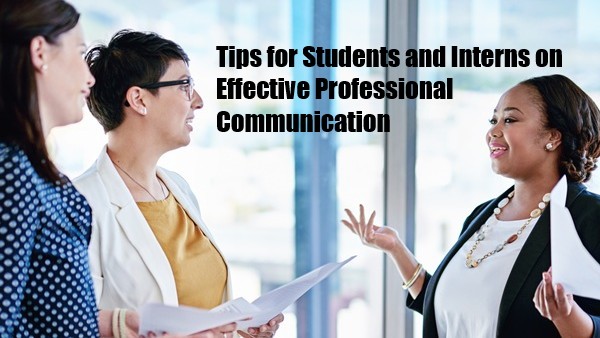
An ability to communicate well is one of the most important skills you can develop for your studies, your internship, your future career and your whole life, really.
Whether you are speaking with classmates, sending emails to your university tutor or internship supervisor or joining your first team meeting, the way you communicate impacts how people perceive you and your professionalism.
If you’re an international student, the framework of professional communication in Australia can feel different from what you are used to. Australian workplaces tend to be friendly and informal, yet clear and direct. Understanding this balance, and practising it, will help you build trust and work well with colleagues.
This guide explains the key aspects of good communication skills and offers some practical steps you can take at university, during your internship and beyond to develop yourself into a great communicator!
Why Is Professional Communication Important?
Communication skills influence almost every part of your work life (and your personal life too). Good communication skills help you:
- Understand tasks clearly
- Ask for help when you need it
- Build relationships with colleagues
- Work effectively in teams
- Present ideas confidently
- Avoid misunderstandings
- Show initiative and professionalism
Employers consistently say that communication is one of the top skills they look for in new graduates. For international students, strong communication abilities also increase your confidence and support your adaptability and success in Australian workplaces.
What Does Good Communication Look Like in Australia?
Professional communication in Australia balances friendliness with clarity. People appreciate politeness but also expect direct, simple language.
Key cultural points:
- First names are commonly used, even for supervisors
- Honest questions and feedback are generally welcome
- Clear, simple language is preferred over long or overly formal sentences
- It’s all about getting to the point and not “beating around the bush”
- Listening carefully is just as important as speaking
- Body language, eye contact and tone matter
When you understand these cultural norms and expectations, it will help you communicate more effectively and feel more comfortable in professional environments.
How to Improve Your Verbal Communication
1. Speak clearly and avoid overly complex language
You do not need long sentences or advanced vocabulary to sound professional. Short, clear sentences are more effective and easier for others to understand.
Example:
Instead of “My apologies for the inconvenience, however I was wondering if it would be permissible for me to…”
Say: “I’m sorry for the trouble. Could I please ask if it’s okay to…?”
2. Ask questions when unsure
Asking questions is not a weakness. It shows responsibility and a desire to learn.
Some examples of good phrases include:
- “Could you please clarify what you need?”
- “Can you show me an example?”
- “What is the priority for this task?"
3. Listen actively
Listening is central to good communication. Show you’re listening by facing the speaker, nodding and asking short follow-up questions.
4. Practise speaking in university settings
Group projects, tutorials and presentations are excellent chances to practise communication in a safe environment while you are still at university. And there are plenty of small steps you can take as a student, like volunteering to share updates or summarising a discussion, which will help you build confidence and your verbal communication skills during your studies.
How to Use Email Professionally
Email is one of the main communication tools used in universities, internships and workplaces alike. Writing clear emails shows respect, maturity and professionalism. Here are some tips and examples for your emails:
1. Use a polite greeting and closing
Start with:
- “Hi [Name],”
- “Hello [Name],”
End with:
- “Kind regards,”
- “Thank you,”
It’s better to avoid overly casual greetings like “Hey” unless the team uses it. And when you’re in your internship, it’s important to follow the host company’s communication protocols when it comes to emails. And another tip is to see how your internship colleagues write emails and take note.
2. Keep emails short and clear
Keep it clear and write one idea per paragraph. You can use bullet points for tasks or questions. And to ensure you get to the point, begin with the main purpose of the email.
3. Use a clear subject line
This helps supervisors and colleagues find your message easily.
Examples:
- “Request for Clarification: Weekly Report Format”
- “Availability for Internship Meeting”
4. Check grammar and and tone before sending
Read your message aloud. If it sounds unclear or too long, simplify it. And ensure the tone of your email is respectful and the words you use, whilst short and simple, are appropriate for the workplace.
5. Reply within a reasonable timeframe
During internship hours, replying within the same day is standard. In any case, your host company will have protocols in place on the expected timeframes when it comes to emails, so be sure to know the expectations and follow the company’s guidelines. If you need more time, send a quick message acknowledging receipt.
What About Body Language and Non-Verbal Communication?
Non-verbal communication plays an important role in how colleagues interpret your message. It can also portray your attitude; we cannot stress enough how important it is to have a good, positive attitude in professional settings.
Tips for strong body language:
- Maintain gentle eye contact (that means, being natural with it and not staring)
- Sit or stand upright (slouching is never a good look)
- Avoid crossing your arms (crossed arms can seem defensive or even aggressive)
- Nod occasionally when listening (it is a sign you are listening)
- Smile when greeting people or thanking them (having a good, positive attitude)
- Keep your phone on silent and avoid using it during tasks (just don’t use your personal phone during internship or working hours, only during breaks)
It’s good to keep in mind that good body language shows attentiveness and professionalism, even before you speak.
How Can Internships Improve Your Communication Skills?
Internships are one of the best environments for practising professional communication. You learn from real colleagues, real meetings and real tasks and not just theory.
During your internship, you will likely:
- Attend team meetings
- Communicate verbally and in writing with supervisors
- Ask for clarification
- Give progress updates
- Write emails to colleagues, possibly clients or stakeholders
- Join discussions
- Work on tasks that require teamwork
Each of these types of activities builds your communication skills in a natural, practical way. Each activity during your internship is a great chance to get better at speaking and writing professionally. As you practice, you will become more confident and more effective in how to speak to others, how you listen and how you write and respond to emails.
Did you know: one common feedback we get from our interns is that the internships improved their communication skills greatly.
For example, have a look at what this Data Science intern had to say about the impact of his internship on his communication skills: Sinan’s internship review
Developing Communication Skills at University and in Daily Life
You might not be ready to get started with your internship yet but it’s never too early to start working on your communication skills. There should be plenty of opportunities for you to take charge and consciously work on your communication skills during your time at university and also in your daily life. Below are some examples:
1. Be an active participant in tutorials and group work
If you tend to be a quiet one, be aware that even asking just one question per class will build your confidence.
2. Practise your verbal speaking skills outside the classroom
Talk with classmates, join clubs or volunteer. Especially if you are an international student and English is not your native language, keep in mind that everyday interactions help you improve quickly.
3. Reflect after conversations
Ask yourself:
- Did I express my idea clearly?
- Did I listen well?
- What could I improve next time?
4. Seek feedback
Ask a tutor, friend or supervisor to comment on your communication style. Feedback helps you grow.
To Sum It All Up
Effective professional communication is more than speaking a language, like English, fluently. Good communication skills are about clarity, confidence, respect and awareness of the workplace and the people around you.
For international and local students alike, building strong communication skills will improve your academic performance, help you succeed in internships and prepare you for your future career.
Whether through university projects, volunteering or structured internships, every opportunity to communicate effectively brings you one step closer to becoming a work-ready graduate.
If you are ready to build your communication skills through an internship placement in Australia, CareerDC can help you get started. Ask us how!